Experience Namibia Travel With Adventure and Comfort
- Namibia travel allows adventurers to experience dramatic landscapes, abundant wildlife and a stronger sense of space that rewards thoughtful travel.
- Planning ahead when traveling to Namibia is essential due to long distances and remote regions, but preparation makes the journey smooth and rewarding.
- The dry season from May to October is generally the best time to travel to Namibia due to ideal wildlife viewing opportunities.
- Guided safaris add depth through local knowledge, cultural context and well-managed logistics.
Towering dunes spill into the Atlantic, desert-adapted wildlife roams wide-open plains, and the night sky seems to stretch forever. Traveling to Namibia isn’t about racing between landmarks; it’s about slowing down, soaking it in and letting the scale, science and raw beauty really land. From the rust-red dunes of Sossusvlei to Etosha’s wildlife and the haunting Skeleton Coast, Namibia travel rewards curiosity, patience and pure awe.
Our Namibia travel guide covers everything you need to plan a safe, unforgettable trip — from when to go and how to prepare to what a Namibia travel safari is really like. Explore the cultural moments, wild landscapes and up-close experiences that make this southwestern African destination so unforgettable.
Namibia Travel Guide - Your First Steps in Planning
Planning Namibia travel starts with a few smart decisions that shape the entire experience. Because distances are long and landscapes are remote, a little preparation goes a long way. These early steps will help make traveling to Namibia feel adventurous, manageable and deeply rewarding.
- Decide what you want to experience most: To begin, take time to carefully think about what you want to experience. Namibia offers a striking variety, so whether you’re most drawn to desert landscapes like Sossusvlei or coastal scenery across the Skeleton Coast, or even cultural experiences in small towns and villages, outlining your priorities will help guide the rest of your planning.
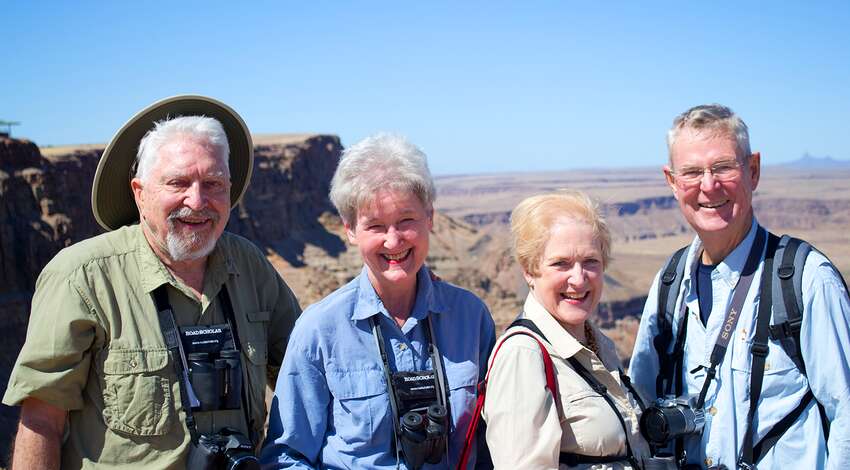
- Understand travel distances and pacing: Namibia is vast, and driving times can be longer than expected. Build an itinerary that allows for fewer stops and more time in each place. Or, consider booking a Namibia travel program through organizations like Road Scholar, where itineraries are well thought out and led by experienced experts, so you can focus on the adventure and not the logistics.
- Pack with landscape in mind: Comfortable clothing, layers for changing temperatures, sun protection and sturdy footwear are essential when traveling to Namibia. Bonus items include binoculars and a camera, as wildlife and wide-open scenery are part of daily life in this country.
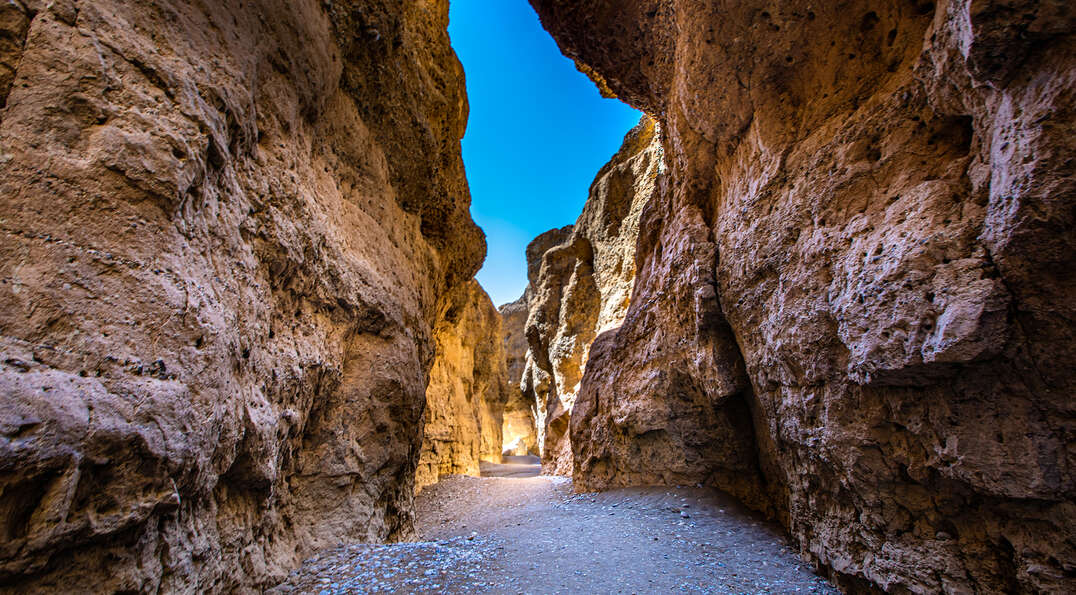
Sesriem Canyon, located in the Namib-Naukluft National Park in Namibia.
What to Know Before Traveling to Namibia
Before venturing to Namibia, it’s important to brush up on some travel tips for Africa. Namibia is welcoming and rewarding, but it’s a destination where being prepared makes all the difference. Knowing what to expect helps you travel with confidence and enjoy the adventure fully.
- It’s vast and wonderfully remote: The word Namib stems from Khoi origin, meaning “vast place.” Distances between destinations tend to be long, and many areas feel gloriously empty. This is part of the magic, but it also means planning realistic driving times and field and rest stops is essential.
- Infrastructure is reliable, yet simple: Roads are generally well-maintained, but expect many to be gravel outside of large cities. Accommodations range from comfortable lodges to remote desert camps, often with limited Wi-Fi, which encourages unplugging.
- Safety and stability: When it comes to Namibia travel safety, it’s one of the safest countries in Africa for travelers. Basic precautions apply, especially in cities, but most journeys feel calm and unhurried.
- Climate and packing basics: Days can be hot as the sun beats down on the desert sands, while nights can be surprisingly cool. Layers, sun protection and plenty of water are must-haves.
- Wildlife is everywhere: Whether you’re on wildlife tours or simply out for a walk around town, always stay vigilant. Animals aren’t confined to parks, so don’t be surprised by wildlife sightings even while driving, which adds to the excitement!
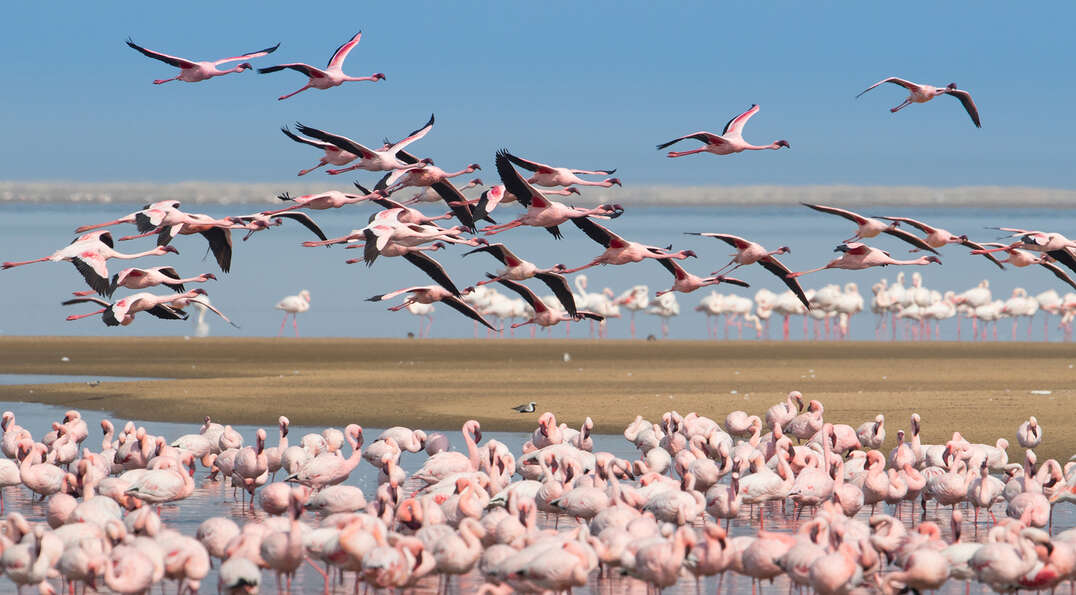
Flamingoes in Walvis Bay, Namibia.
Best Time to Travel to Namibia
The best time to travel to Namibia depends on what you want to see and how you want to experience its sprawling landscapes. With wide-open spaces and dramatic seasonal shifts, here’s what to expect during each season:
- Dry season (May to October): This is often the most popular time to visit Namibia, as wildlife is abundant due to scarce water sources drawing animals to rivers and waterholes, temperatures are cooler and days are sunny and comfortable.
- Early dry season (May to July): For some, the best time to travel to Namibia is during the early dry season. During this time of year, plan for crisp mornings, clear skies and fewer crowds, making it great for photography and long days outdoors without intense heat.
- Peak dry season (August to October): During the heart of dry season, wildlife viewing is at its best, especially in areas like Etosha National Park. Traveling to Namibia this time of year means witnessing dramatic game sightings and excellent visibility across the landscape.
- Green season (November to April): Summer brings heat, occasional rain and a burst of color across the desert. While wildlife is more dispersed, the scenery is striking with dramatic skies and fewer travelers, making it a great time of year for birdwatchers and those who enjoy a quieter experience.
What to Expect on a Guided Namibia Travel Safari
African safaris are unforgettable, and a Namibia travel safari stands out for one big reason: it’s about immersion, not rushing. With a knowledgeable local Namibia travel expert, you’ll dive into how the desert survives, how wildlife adapts to harsh extremes, and how history and culture are etched into the landscape.
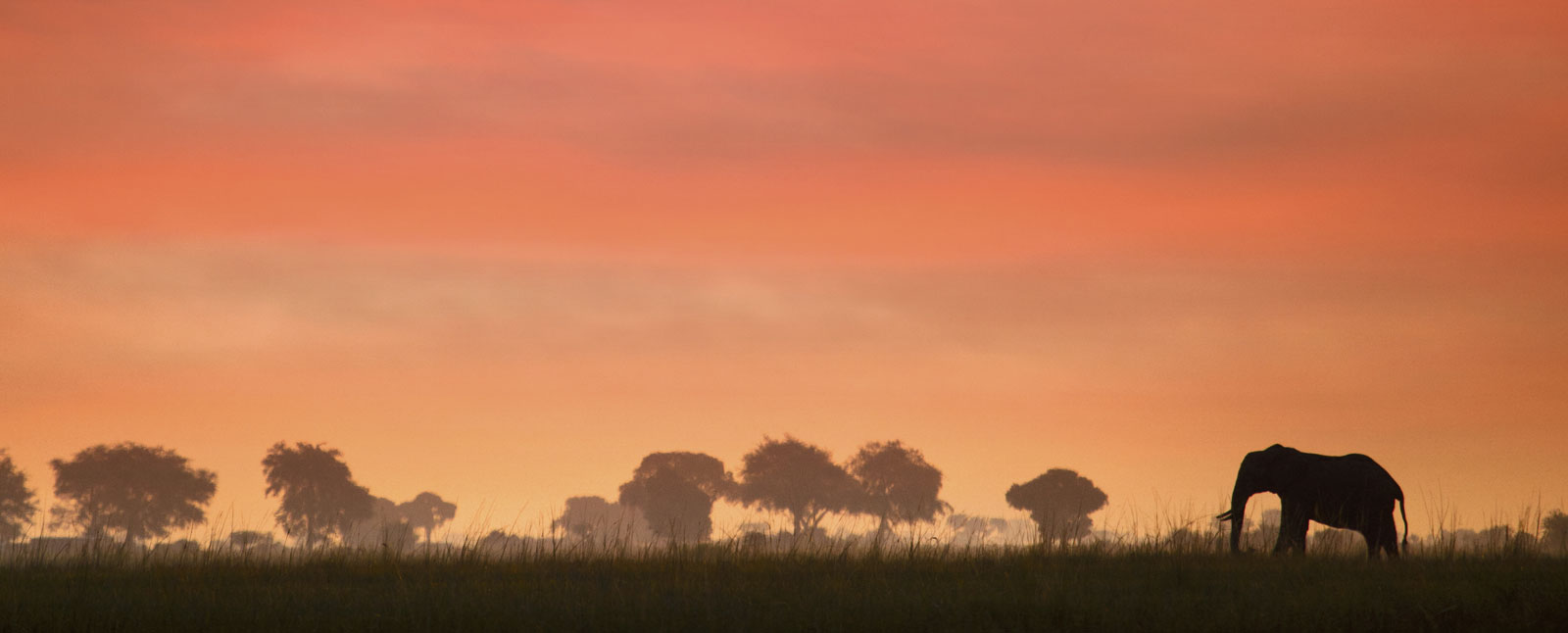
Game drives usually happen early in the morning and at dusk, when it’s cooler, and animals are most active. In between, you can relax, enjoy local food, or explore cultural sites and talks. With comfortable travel, seamless logistics, and rich local insight, every moment feels meaningful. From elephants trekking across dry riverbeds to towering dunes glowing at sunset, a guided safari in Namibia delivers jaw-dropping scale and genuine wonder.
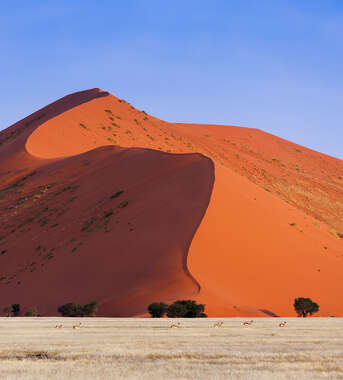
Sossusvlei dunes in Namib Desert, Namibia.
Discover Namibia with Road Scholar
Ready to experience the sense of wonder Namibia has to offer? Browse our collection of Africa tours and experiential learning programs in Namibia, where its vast landscapes, resilient wildlife and quiet moments of awe invite a deeper kind of travel, one that rewards patience and curiosity.