
Best Time to Visit Glacier National Park

- The best time to visit Glacier National Park is typically July, as trails are mostly snow-free and Going-to-the-Sun Road is fully accessible, making it the most reliable month for full-park access.
- Early fall brings lighter visitation, crisp weather and beautiful scenery, with many trails still accessible.
- Your ideal timing depends on your priorities, as hiking, wildlife viewing, scenic drives and photography each have slightly different peak windows.
- Weather and snowpack shape the season, with conditions varying from year to year. Always check road and trail updates before finalizing your plans.
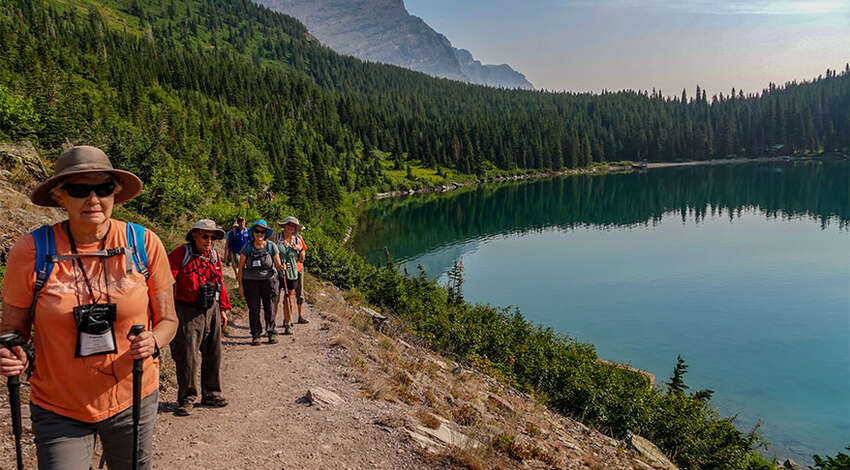
Few places capture the imagination quite like Glacier National Park, with its alpine meadows, turquoise blue lakes and iconic Going-to-the-Sun Road that winds through dramatic mountain passes. As a destination that changes with the seasons, you may be wondering when the best time to visit Glacier National Park is. Fortunately, every season offers something truly magical and unique.
With that in mind, the best time to go to Glacier National Park depends on what you’re hoping to experience, whether it’s wildflower-filled hikes, wildlife viewing, crisp autumn air or snow-dusted peaks in serene winter silence. In this guide, we dive into the best time of year to visit Glacier National Park for every kind of traveler, so you can book a program that best aligns with your interests.
Understanding Glacier National Park Seasons
Glacier is a park that’s defined by elevation and the weather, which means the seasons might not always follow the calendar. Snow can linger well into the early summer at higher elevations, and winter conditions can arrive quickly in the fall. Knowing what each season brings allows you to set your expectations when visiting Glacier National Park, so you can plan an adventure that matches your interests, activity level and tolerance for crowds.
Spring (April-June)
Spring in Glacier is a season of transition, where lower elevations begin to thaw after a frigid and snowy winter and waterfalls surge with snowmelt. Wildlife also begins to make a more consistent appearance, dusting off the snow after hibernation to refuel and roam the lands. That said, many higher elevation roads and trails, such as portions of Going-to-the-Sun Road, are often still closed due to snow. It’s quieter and more rugged, making it ideal for explorers who don’t mind variable conditions and limited access in exchange for solitude.
Summer (June-August)
Summer is often the most popular time for national parks tours in Glacier, as trails are snow-free and Going-to-the-Sun Road is fully open with wildflowers blanketing the alpine meadows in the distance. Visitor services, boat tours and ranger programs are in full swing, but prepare yourself for larger crowds and greater lodging demand as more visitors try to take advantage of the wide access to hiking and scenic drives.
Fall (September-October)
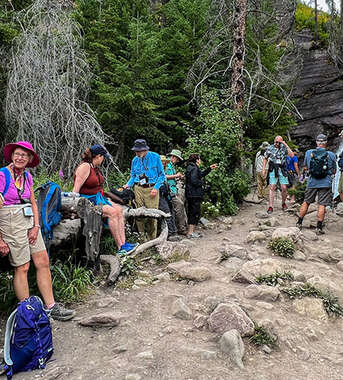
Visiting Glacier National Park in the fall brings crisp air, fewer visitors and golden larch trees at higher elevations. Many services begin to close in late September, and weather can shift quickly, with early snowfall a possibility. For those who value quiet landscapes and don’t need full amenities, fall is the best time to visit Glacier National Park, thanks to its peacefulness and photogenic experience.
Winter (November-March)
If you want to travel to Glacier National Park in Montana in the winter, be prepared for most roads, including Going-to-the-Sun Road, to be closed to vehicle traffic. However, it offers the ability to explore the snow-covered wilderness through cross-country skiing and snowshoeing. Facilities are limited, and conditions can be harsh, yet the park’s stillness and stark beauty reward those prepared for a true winter environment.
What’s the Best Month to Visit Glacier National Park?
The best time to visit Glacier National Park is usually July, when the park is mostly thawed, Going-to-the-Sun Road is fully open, wildflowers bloom and wildlife is active. Visitor centers operate at full capacity, offering a variety of hiking, boating and scenic drive options. You’ll have the widest range of hiking, boating and scenic drive opportunities.
Best Time to Go to Glacier National Park for Activities
There are so many things to do in Glacier National Park, but what you want to experience depends on the time of year you go. Snowpack, wildlife patterns and road access all shift throughout the year, so timing your trip around your top priorities makes all the difference.
Hiking & Backpacking
Most high-elevation trails don’t open until mid to late July once the snow has melted from alpine passes. This window offers the safest conditions, with full access to backcountry routes and a stunning display of wildflowers in the meadows. Early September can be especially appealing, with fewer visitors and stable weather.
Scenic Drives & Photography
For the full drive along the Going-to-the-Sun Road, late June or early July through early fall is ideal, depending on snow conditions. Summer delivers vibrant greens and wildflowers, while September and October bring golden larches, crisp air and fewer crowds, perfect for landscape photography.
Wildlife Viewing
The best time to go to Glacier National Park for wildlife viewing is between May and June, which is excellent for spotting bears, moose and mountain goats as they forage at lower elevations. In September and early October, cooler temperatures increase wildlife activity again, particularly during elk rut season. For the best opportunities, head out early in the morning or later in the evening when wildlife is most active.
River Boat Cruises
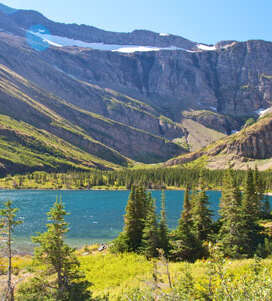
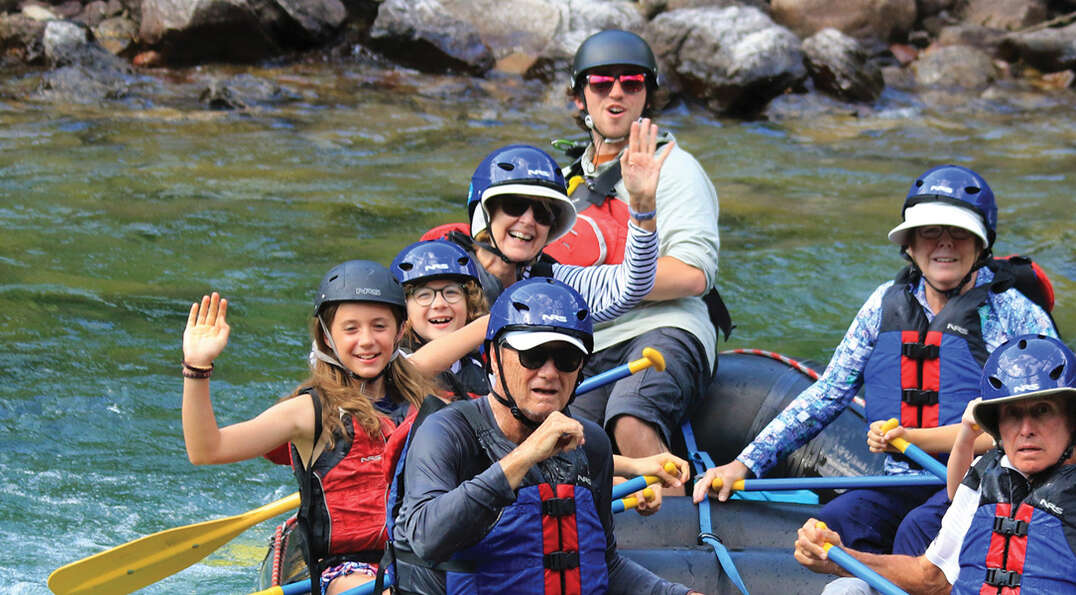
Boat cruises on lakes like Lac McDonald and St. Mary Lake typically operate during the main summer season. Calm water paired with long daylight hours and clear mountain views make July and August perfect for taking in the beautiful scenery.
Travel Tips for Visiting Glacier National Park, Montana
Visiting Glacier National Park takes a bit of planning. As you prepare for your adventure, review our national park travel guide to ensure you’re fully equipped for a safe and memorable experience. Keep these essential tips in mind:
- Reserve accommodations early, as lodging inside the park can fill up quickly, especially in July and August.
- Check road and trail status, as conditions can change quickly due to snow.
- Start your day early to avoid crowds on popular trails and enjoy cooler temperatures and more opportunities for spotting wildlife.
- Respect wildlife by leaving no trace and maintaining a safe distance. Make sure to pack bear spray and to store food properly.
- Pack variable layers that can easily be dressed up or down to adjust to temperature changes at different altitudes.
Plan Your Visit to Glacier National Park Today
Ready to experience Glacier National Park in all its glory? At Road Scholar, we have an exciting collection of National Park tours to choose from, including Glacier, where you can explore alongside expert guides and a diverse cohort of lifelong learners to better understand the park’s history, geology, wildlife and culture.
Review our U.S. National Park checklist for travel tips and things to know before your adventure.