
How to Experience the American Coastline: Best Time to Visit, Activities, and Hidden Gems

- The American coastline stretches over 95,000 miles, with a diverse range of landscapes going from dramatic granite cliffs to white sandy beaches.
Alaska has the most coastline of all the U.S. states, where travelers can see glaciers, whales and bald eagles. - Major regions of the American coast include the East Coast, West Coast, Gulf Coast and Alaska.
- Top activities to enjoy when exploring the American coastline include scenic drives, wildlife watching, walking or hiking and water-based activities like kayaking or cruises.
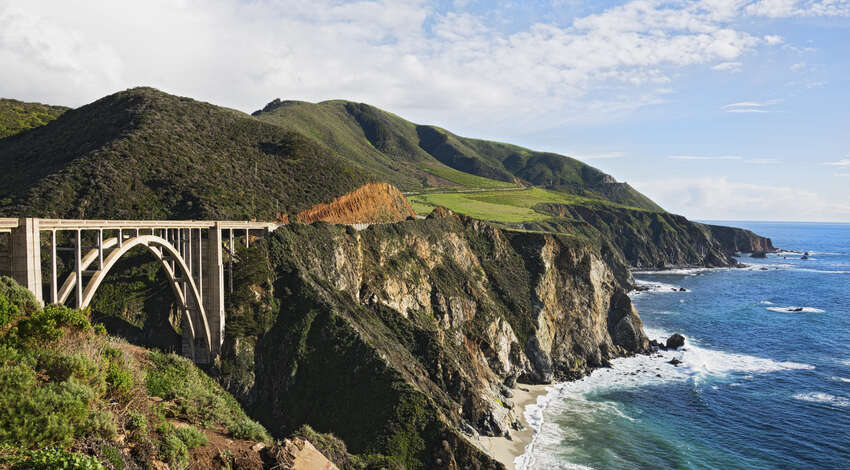
There’s a certain feeling you get near the water. It doesn’t matter if you’re standing on a rocky bluff in Maine or watching the sun dip below the horizon in California, the American coastline has a way of slowing things down. The coastline of the United States stretches across wildly different landscapes, climates and cultures, and no two stretches feel quite the same. That’s part of the appeal.
You can return again and again and still find something new. In this guide, we explore the USA coastline, from major regions to visit to top activities you can enjoy and which U.S. state has the most coastline. Let’s dive in!
What U.S. State Has the Most Coastline?
The title for the state that holds the most American coastline is Alaska, and it’s not even close. Alaska’s coastline stretches over 33,000 miles, thanks to its rugged mainland, countless islands and glacial fjords.
What makes Alaska special isn’t just the length, it’s the sense of scale and isolation. Cruising through the Inside Passage, you might see glaciers calving into the sea, bald eagles overhead and whales surfacing nearby. It feels remote in a way few other places in the country can match.
After Alaska, Florida’s coastline stretches 8,436 miles, with Louisiana rounding out the top three with 7,721 miles of coastline.
How Long Is the American Coastline?
The American coast is longer than most people expect. If you include Alaska’s winding inlets and island chains, it stretches over 95,000 miles. Even without Alaska, the lower 48 states in the United States offer thousands of miles of shoreline to explore.
But the number only tells part of the story. What matters more is how varied that coastline is. One day you could be walking along sandy beaches in Florida, and the next you’re standing on dramatic cliffs along Big Sur. It’s less about distance and more about the range of experiences packed into it.
The Major Regions of the American Coast
The American coastline can be roughly divided into a few key regions, each with its own personality.
- East Coast: The East Coast is rich in history and tradition. In places like Charleston, you’ll find cobblestone streets, historic homes and a slower, more reflective pace. Head north to Acadia National Park, and the coastline becomes rugged, with granite cliffs and crashing waves.
- West Coast: The West Coast is defined by its dramatic scenery. Along the Pacific Coast Highway near Big Sur, cliffs drop straight into the ocean, and every turn reveals a new view. Cities like San Francisco blend coastal beauty with culture, from the Golden Gate Bridge to waterfront neighborhoods.
- Gulf Coast: The Gulf Coast offers something softer and more relaxed. In Florida and Alabama, you’ll find warm water, white-sand beaches and a laid-back rhythm that invites you to slow down.
- Alaska: To finish the coastline of the United States, we have Alaska, which feels like a world of its own. Glaciers, fjords and wildlife dominate the landscape, creating a coastline that feels both wild and untouched, which can be seen on U.S. and Canada tours.
Best Time to Visit the American Coastline
Timing can shape your entire experience along the coast. Spring is a favorite for many travelers. In California, wildflowers begin to bloom along coastal trails, while temperatures stay comfortable for long walks. On the East Coast, places like Savannah come alive with mild weather and fewer crowds. Travelers can also enjoy U.S. riverboat cruises along the Savannah River to see the city from a unique point of view.
Summer is the most popular season to explore the American coast, especially for classic beach destinations. The Outer Banks in North Carolina and Cape Cod in Massachusetts are at their liveliest, though you’ll share the experience with plenty of others.
Fall often feels like a well-kept secret. The water is still warm in many places, but the crowds have thinned. Coastal drives in Oregon or Maine take on a quieter, more reflective feel.
As for winter, it all depends on where you go. In Florida or along the Southern California coast, winter can be one of the most pleasant times to visit, with mild temperatures and open beaches.
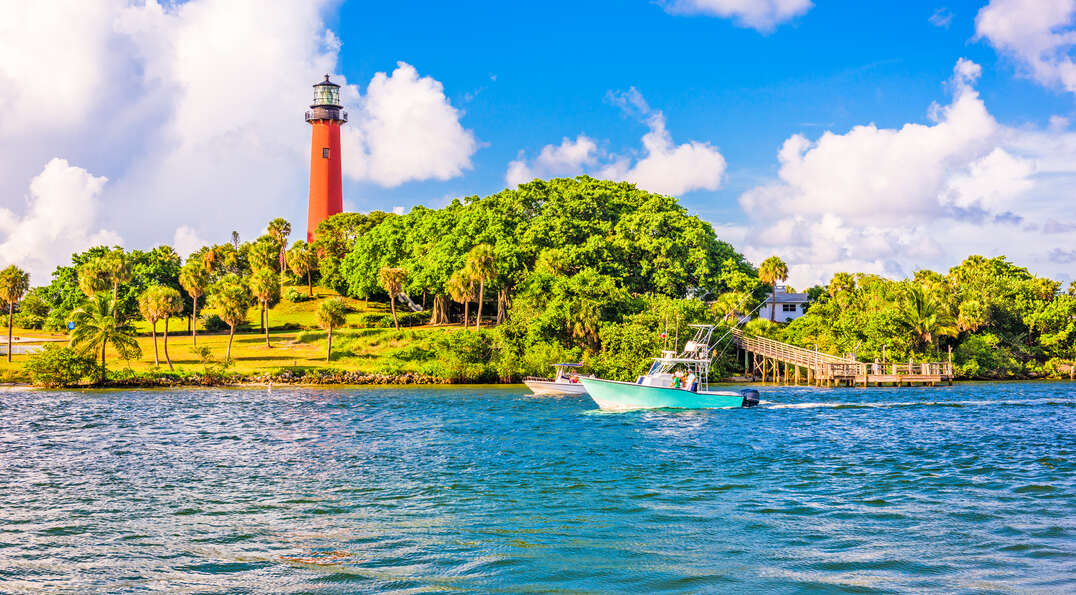
Jupiter, Florida.
Top Activities Along the American Coast
There’s no single way to experience the coastline, which is part of what makes it so appealing.
- Scenic drives: Routes like the Pacific Coast Highway in California or the Overseas Highway in Florida turn the journey itself into the main event.
- Wildlife watching: In Monterey Bay, you can spot sea otters and migrating whales, while up in Alaska, whale watching takes on a whole new scale.
- Walking and hiking: Coastal trails in places like Acadia National Park or the coastline in Olympic National Park offer fresh air and sweeping views.
- Water-based exploration: Hop aboard American cruise lines to cover more distance and explore popular port cities, or kayak through calm bays or simply spend time on the beach.
Hidden Gems Along the USA Coastline
Some of the most memorable places along the American coastline aren’t the ones you hear about all the time.
Cannon Beach is known for its iconic Haystack Rock, but it still manages to feel quiet, especially in the early morning. Tide pools reveal small marine life, and the fog rolling in adds to the atmosphere.
In Jekyll Island, you’ll find Driftwood Beach, where weathered trees create a landscape that almost feels otherworldly, while Block Island offers a slower pace than the mainland, with bluffs, bike paths and open ocean views.
Why Exploring the American Coastline Is Unforgettable
What makes the American coastline unforgettable isn’t just the scenery — it’s the variety of experiences it offers. You can stand on a windswept cliff one day and walk barefoot on warm sand the next.
You can explore historic towns, watch wildlife in its natural habitat or simply sit and listen to the waves. Find an adventure with Road Scholar today to explore the American coast led by local experts with a diverse group of like-minded travelers.
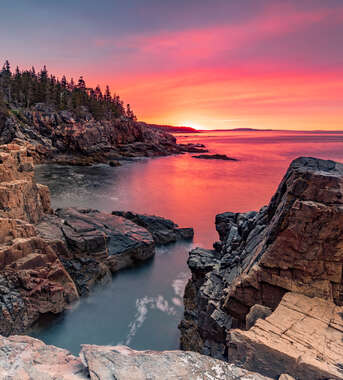
Acadia National Park, Maine