
Advocating for Loved Ones: A Caregiver’s Age Well Review
- Prepare open-ended questions ahead of time, focusing on "who, what, when, where and why" to get detailed answers from busy doctors.
- Be present for physician rounds when possible or request specific times to ask for clarification on complex medical jargon without hesitation.
- Approach healthcare as a unified team by managing your emotional responses and maintaining respectful, focused communication.
- Always trust your instincts, utilize patient portals for follow-up questions and remember you have the right to seek a second opinion.

As a caregiver, I have found two things to be true — time is precious and knowing how to take care of your loved ones can be very, very complicated.
For me, one of the toughest parts is arguing for something on their behalf. Who am I to make decisions for my parents? (At one time, they used to make all of my decisions.) Is it ok to question doctors? (They did go to medical school for an awfully long time and probably know a lot more than I do about diseases and injuries.) How do I know I made the right decision? (As an only child, I don’t have much, if any, backup.)
When I saw the recent Age Well lecture, “Advocating for Loved Ones in the Hospital & Beyond,” I signed up almost immediately. While I work full time at Road Scholar, I haven’t had time to attend many of our free lectures. But this topic spoke to me — and I hoped it could give me some answers.
Finding Time to Attend an Online Lecture
After enrolling in the lecture, I blocked out time on my calendar so I could make sure I’d be able to attend. Ironically, one of my mum’s medical procedures was canceled due to a snowstorm and rescheduled for this exact day and time. (Instead of learning how to advocate better for her in the hospital, I was actually at the hospital … advocating.)
I don’t think I’m alone when I say the schedule of a caregiver can be chaotic. So one of the first things I appreciated about this free Age Well lecture is that, even though I couldn’t attend the original lecture time, I received a recording of the presentation the next day — and that allowed me to watch the lecture on my time. If you’re a caregiver with a busy life, this feature might be just what you need.

What Did I Hope to Learn?
I have been helping my parents with their medical appointments for many years and have been active in advocating for two of my aunts with their medical needs. My father passed away two years ago from a complicated diagnosis that I wish I had understood far better — and his care had been between two doctors whose offices didn’t communicate well. While I had advocated for him to the best of my abilities at the time, it’s hard not to be a Monday-morning quarterback and question whether I should have asked more, done more, pushed more.
With that in mind as I now take care of my mum, I want to be sure I ask the right questions and know how to approach the sometimes confusing and often emotional tasks of advocating for her.
Meeting Our Expert
This free Age Well lecture, “Advocating for Loved Ones in the Hospital & Beyond,” was led by Erin Gallian, the author of Badass Advocate, and who worked in the pharmaceutical industry for more than 20 years. Both her father and sister passed away from non-Hodgkins lymphoma, and while she had been away from home during her father’s illness, she was one of the main caregivers for her sister. Her work in the pharmaceutical industry meant that she talked with physicians on a daily basis, learning their schedules and the kinds of information that they would respond to. Her sister’s diagnosis and year-long battle with cancer meant that she had experienced advocating for a loved one firsthand.
After her sister passed away, Erin wanted to give back and help others. “It happens to so many of us,” said Erin. “We are thrown into this situation. You don’t have a background in the medical world and you don’t know what to do.”
She added, “At any point in life, we probably need to be a voice for ourselves as well.”
Finding Your Confidence & Handling Your Emotions
One of the biggest challenges that most people encounter when advocating for their loved ones is feeling confident enough to ask medical staff the tough questions. During an informal poll during her presentation, Erin asked attendees if they felt confident when advocating — only 37% said yes.
This lack of confidence can stem from many things. Some people may hesitate to question a doctor’s prognosis as they view them as the expert and an “authority figure.” Others may be overwhelmed by details and emotions or perhaps are struggling to keep family and loved ones included in the situation. Whatever the source, it’s important to try to keep your emotions in check and aim not to react offensively. “You’re on the same care team as the physicians and your family,” said Erin. “It’s not us vs. them.”
Whether you’re communicating with your loved one’s medical team or talking to family members, it’s important to listen and be respectful. Emotions can run high, but they don’t have to run the conversation. “Everyone has the same goal,” said Erin. “We want to get the patient healthy. Let’s focus on that.”
Having Better Questions is Empowering
“You have the right to ask questions,” said Erin. “They give you more information and more control. They give you time to think — they buy you time before you react to the next question.”
In my own caregiving journey, I’ve been known to whip out my phone and bring up the list of questions for the doctors. I was encouraged to hear that Erin recommended doing exactly that, but also with better questions. (And I particularly loved that she emphasized that we have the RIGHT to ask these questions.)
“Asking open-ended questions will get you more information,” advised Erin. “Begin your questions like a reporter: with who, what, when, where or why. Asking questions that allow a ‘yes’ or ‘no’ answer will get you just that — and you may not get enough details that you need.”
She also emphasized the importance of brainstorming questions ahead of the doctor’s visit with your loved one and any family members who may be part of your home care team. Everyone has questions about time frames, side effects and how to manage treatments — it helps to get them all down in your notes.
“When you brainstorm with your loved ones, you’re more likely to come up with ideas,” said Erin. “Think about daily life and care at home. Do you need extra support? What’s to come between now and the next appointment? These are all things you can plan out together if your family is involved with the care.”
Communicating With Doctors
One of the toughest aspects of communicating with doctors is actually getting the time with them to do so. If your loved one is in the hospital, Erin recommends finding out when rounds are.
Rounds are when the physicians and nurses come around,” said Erin. “It’s typically in the morning during shift change. Ask when these happen and try to be there during that time frame if you can.”
However, if you miss this, don't be afraid to ask to meet with the physician. If it’s a teaching hospital, that’s even better — ask if you can listen in when the doctors come around to discuss what’s going on. Most laypersons don’t understand the names of conditions or medications, so this can be very helpful.
“The doctor does not expect you to understand medical jargon,” said Erin. “Don’t be afraid to ask them to clarify things when you have a question.”

Erin also emphasized that doctors are often very busy, so prioritizing your questions can be very helpful for them. “You have a small window of time with them. Minimize small talk and let them know how many questions you have. When they answer, ask them to elaborate on words like “less” or “more frequently” — that will help you have a clearer understanding of what’s going on.”
Some questions from participants at the end of Erin’s presentation asked some trickier questions about communicating with doctors. “How do I confront physicians who dismiss me?” “Should I email the doctor my questions or does that bother them?” “The physician doesn’t seem to be moving treatment forward — what do I do?”
Erin’s advice is to trust your gut. “Continue to follow up with the physicians — you have the right to ask your questions. Email them if you need to or send questions through the office portal. If your loved one is not getting the care you think they need, get a second opinion.”

Understanding Palliative Care Vs. Hospice
Many new caregivers don’t understand the difference between palliative care and hospice. This presentation gave a helpful overview.
To palliate means to “make less severe or unpleasant.” Palliative care can be for anyone with a serious illness, and involves a team of physicians, nurses, social workers, mental health specialists and even chaplains. It helps with the physical, mental and social well-being of the patient. Hospice care is end of life care and may become a component of palliative care when all other avenues are exhausted.
Find the Power Seat
Ultimately, this Age Well lecture was empowering for those of us who are advocating for our loved ones — and who may be wondering if we're doing the right thing.
“I don’t want anyone to beat themselves up if they look at the past and say, ‘I didn’t ask the right questions, or I didn’t know,’” said Erin. “We don’t know, and emotions — as I said in the beginning — are involved. And it’s really hard and it’s scary. But you have the right to ask questions. Get that second opinion and be prepared. You need to be in the power seat.”
Age Well
If you’re navigating the life transitions of the fourth age or assisting a loved one on their journey, I urge you to explore more complimentary learning experiences. Join Road Scholar’s vibrant community of lifelong learners and sign up for upcoming Age Well online lectures today.
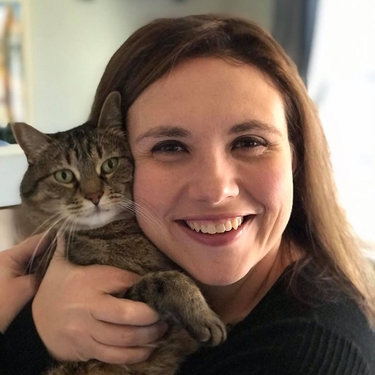
Erika Bouchard has been a writer and creative thinker at Road Scholar for more than 17 years. She lives in Massachusetts with her husband, mother and an incredibly spoiled tabby cat. When she’s not writing, you can find her somewhere in her gardens.