
Destinations
Recommended For You
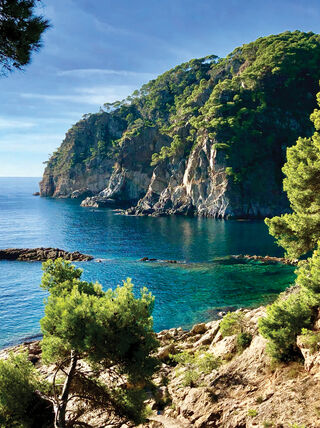 SpainChoose your Pace: Hike Spain’s Wild Coast of CataloniaWalking/HikingHike Catalonia’s Costa Brava, where crystal-clear waters, vineyard cliffs and hidden coves meet ancient ruins, modernist art, and timeless Mediterranean landscapes.Activity LevelProgram No. 22550RJLength14 daysStarts at5,749
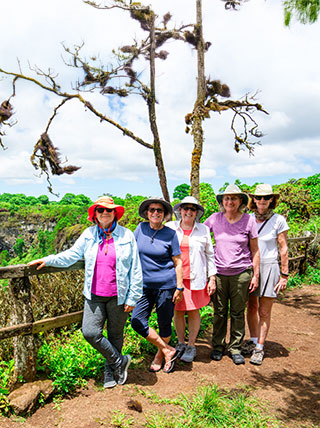 Galápagos Islands, EcuadorNatural & Cultural Wonders: A Galápagos Voyage for WomenSmall ShipLearn about iconic wildlife, delicate ecosystems and the science-altering legacy of Charles Darwin on a Galápagos voyage just for women.Activity LevelProgram No. 23941RJLength11 daysStarts at6,799
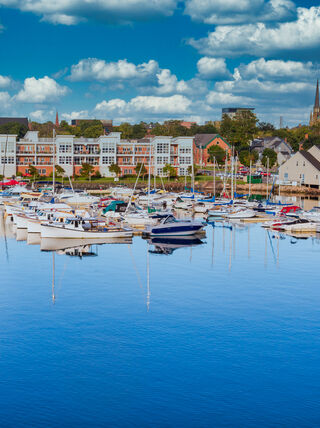 Prince Edward IslandActive Prince Edward Island: Coastlines, Trails and TraditionsMulti-SportWalk, cycle and kayak across Prince Edward Island, exploring coastal trails, dune systems and marine life with local experts.Activity LevelProgram No. 25727RJLength7 daysStarts at3,649
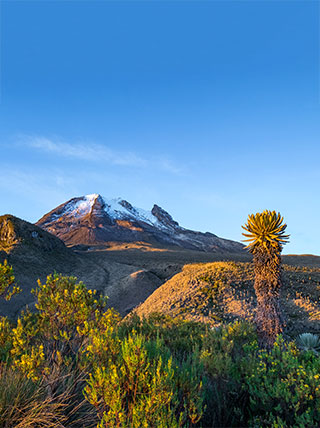 ColombiaColombia's Ecology and Natural HistoryNature & EnvironmentExplore Colombia’s coffee region and Andean landscapes at a relaxed pace while learning about biodiversity, conservation and vibrant local culture.Activity LevelProgram No. 25694RJLength12 daysStarts at5,899
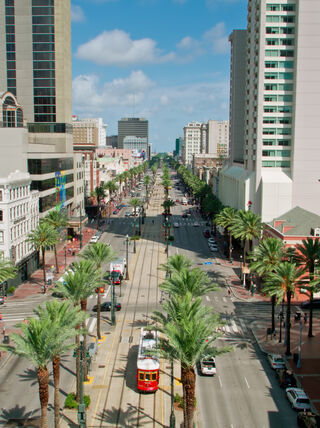 LouisianaRhythm of Resistance: Civil Rights & Jazz in New OrleansAfrican American StudiesGain a new perspective on New Orleans as you explore the intersections of the Civil Rights Movement and jazz in squares, museums, concert halls and churches.Activity LevelProgram No. 25672RJLength7 daysStarts at3,299
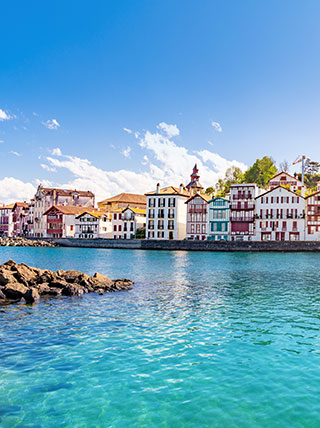 Spain/FranceBordeaux & Basque Country: A Tale of Two CulturesRiver BoatsUncover two of Europe’s proudest cultures on one journey. Explore Bordeaux’s wine legacy on land, then set sail on a river voyage to delve into the famously independent Basque spirit.Activity LevelProgram No. 25666RJLength13 daysStarts at7,499
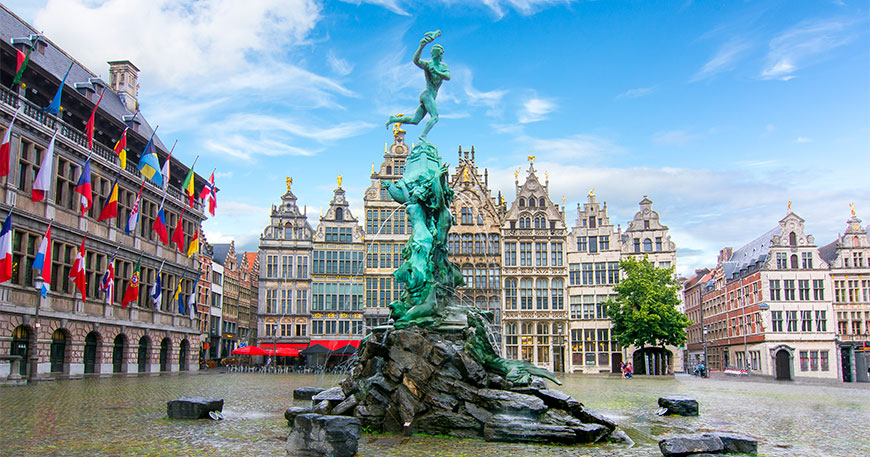 Netherlands/BelgiumCanals, Culture & Art: A Voyage Through the Low CountriesRiver BoatsSail the canals of Belgium and the Netherlands. From the battlefield of Waterloo to the Golden Age of Dutch art, uncover the rich history and culture of Northern Europe.Activity LevelProgram No. 25665RJLength10 daysStarts at6,499
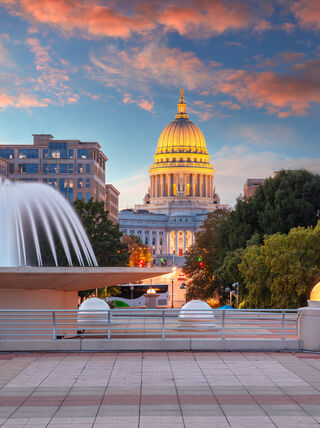 WisconsinMilwaukee & Madison: Wisconsin's Lakeside GemsCity DiscoveriesMilwaukee is the Midwest’s best kept secret — and Madison makes everyone’s “top places to live” list. Discover the history, culture and lakeside lifestyle of these surprising cities!Activity LevelProgram No. 25646RJLength8 daysStarts at3,499
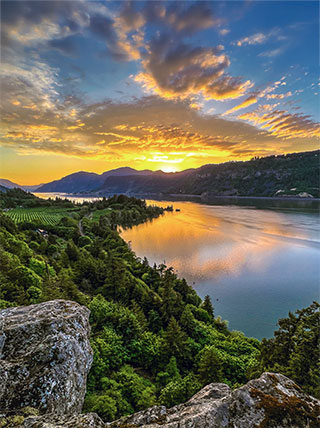 Oregon/WashingtonColumbia River Explorer: An Easy-Paced Riverboat AdventureRiver BoatsVoyage on the Columbia River on this easy-paced adventure that will trace human and natural history as you sail to cities, waterfalls, canyons and more.Activity LevelProgram No. 25640RJLength11 daysStarts at9,499
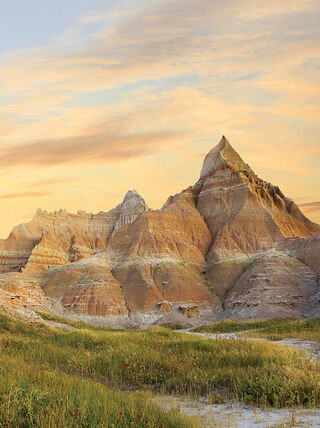 South DakotaHike & Ride: Black Hills, Badlands & Mount RushmoreMulti-SportDiscover the wildly diverse landscapes in the Black Hills of South Dakota while trekking and riding through this unique wilderness that lies in the shadow of Mount Rushmore.Activity LevelProgram No. 12774RJLength7 daysStarts at3,099
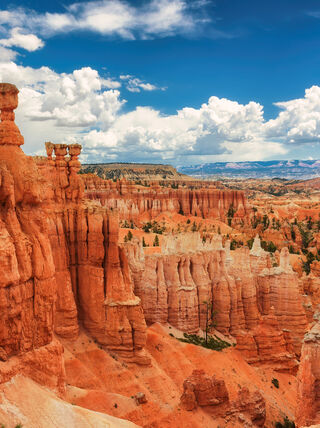 Utah/ArizonaThe Best of Utah's Grand Circle of Parks and Monuments at a Slower PaceNational ParksExplore some of the world's most impressive geological formations with experts as you discover Utah’s Grand Circle. Plus, float down the Colorado River and learn about Navajo culture.Activity LevelProgram No. 25738RJLength10 daysStarts at4,249
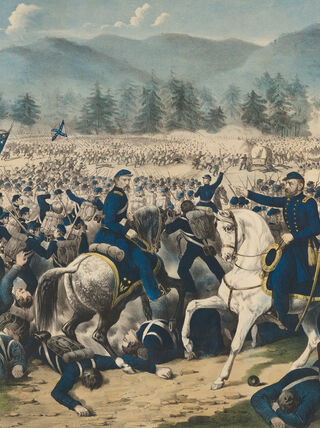 Online ProgramOnline Lecture: In the Footsteps of Gettysburg’s Civilians — An Online JourneyHistoryJoin us on Wednesday, Aug. 5, 2026, at 1 p.m. (ET)/ 10 a.m. (PT), for a one-hour lecture and Q&A about the sites and people of the Battle of Gettysburg.Activity LevelProgram No. 25184RJLength1 hourStarts at25
1 of 12
1 of 8